
Following a Ligue 1 match on a Saturday night now means juggling three or four apps, checking which broadcaster holds the rights to the game, and then pulling out your bank card for yet another subscription.
This reality, shared by most French fans, sums up the tension running through sports news in 2026: the choice has never been greater, but access has never been more fragmented. From real-time scores and competition schedules to tactical analysis, here’s a look at what really matters if you want to stay informed without breaking the bank.
Fragmented TV rights and the real cost for fans
If you want to watch a full weekend of sport in France—football, rugby, cycling, tennis—you’re faced with a stack of platforms. Each holds the rights to a portion of the action, and none offers all-in-one access.
The problem goes beyond the streaming options themselves. Fragmented rights make practical information—where and when to watch—central to the fan experience. Finding the right channel for a Champions League match or a Friday-night Top 14 game can sometimes take as long as watching the game itself.
When it comes to costs, the signs are clear. A proposed increase in VAT on pay TV has been discussed, which would directly affect broadcasters’ resources and, in turn, the prices passed on to subscribers. Whether you’re following Sport Web news or checking the results from a league matchday, you shouldn’t have to choose between three monthly subscriptions.
In practical terms, here’s what this fragmentation means for fans:
- Checking before each matchday which broadcaster is showing which game, even within the same league
- Taking out multiple subscriptions to cover football, rugby and cycling, when one was enough ten years ago
- Settling for delayed highlights or live scores when the budget won’t stretch, reducing engagement with clubs
Real-time scores and standings: what works and what’s missing
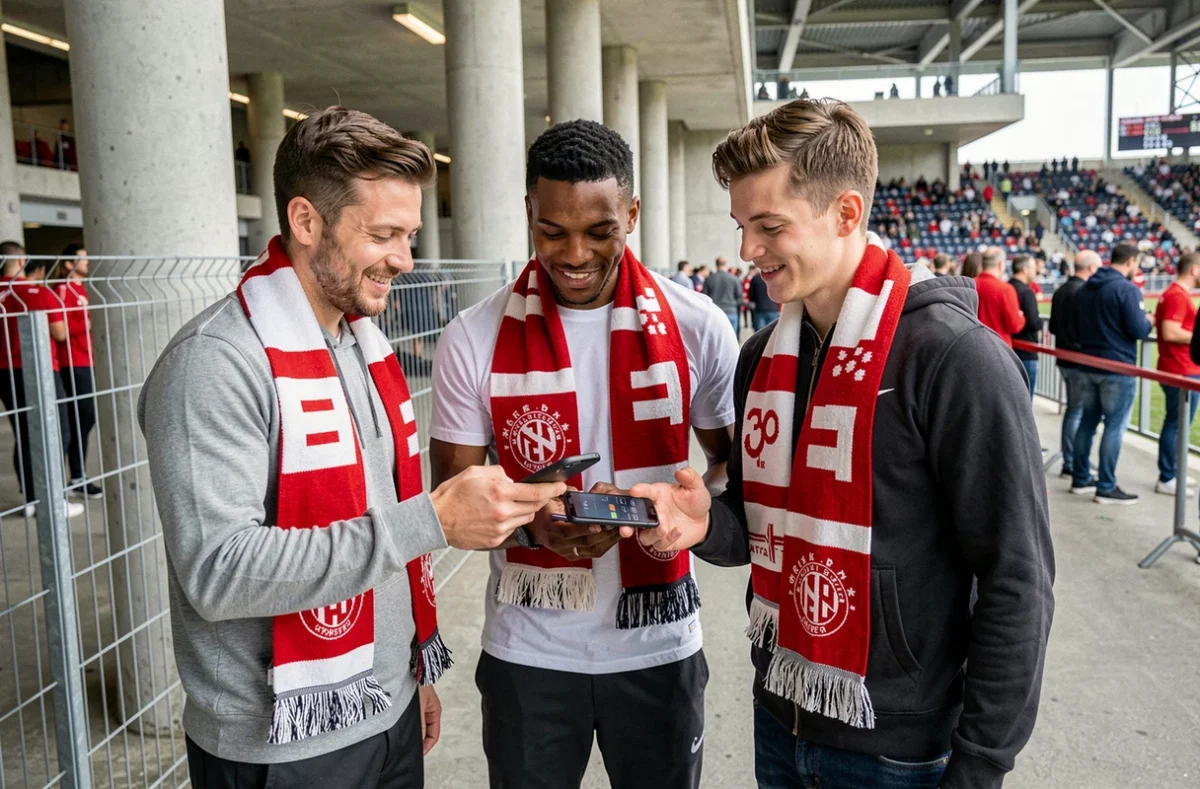
Score aggregators (mobile apps, sports media websites and dedicated pages from broadcasters) have improved considerably. You can follow PSG in Ligue 1, a France–New Zealand rugby match and a Tour de France stage on the same screen, with push notifications for every goal or try.
The limitation lies elsewhere. There is often a lack of context around the raw score. A 2–1 result says nothing about how the match unfolded. Platforms that add possession, expected goals or distance covered are starting to stand out, but this layer of analysis is still reserved for premium subscriptions.
It’s easy to find the Top 14 or Pro D2 rugby standings. However, advanced statistics (successful tackles, turnovers forced) remain scattered across official league websites and a handful of specialist media outlets. It’s a similar story with cycling: the Tour de France and Classics schedules are easy to access, but power data and stage analysis take some digging.
Athlete health and competition schedules: a debate that affects results
The growing number of matches affects more than just spectators. Player health has become a central issue in the way competitions are organized.
In practice, this means a string of muscle injuries at major European clubs, squad rotations that change weekend results, and players speaking out publicly against an increasingly unsustainable schedule. When a PSG or Lille regular misses three weeks of Ligue 1 with an injury caused by a packed fixture list, the entire standings are affected.
This debate is directly linked to the question of accessibility. Adding matches to the schedule increases the amount of content, but dilutes the quality of the spectacle and drives up costs for fans who want to follow everything.
Reforming French professional sport: what’s changing in practice
Beyond the weekend’s results, the structural framework of French sport is evolving. Reform of the professional football business model is underway, with the aim of redefining how clubs in financial difficulty can emerge from crisis. The details of how this new model will work remain to be determined, but its direction will have a direct impact on fans.
As for public funding, the CNOSF has voiced concerns about cuts to sports funding, highlighting several areas to watch ahead of the next major international events. Less public funding could mean:
- Local sports facilities receiving less maintenance, affecting grassroots participation
- Federations becoming more dependent on TV rights and private sponsors
- Costs being passed on to registered members and families, even as sport for all remains a stated goal

Sports media and club apps: an underrated resource
Social media captures a large share of people’s attention, but dedicated sports media and official club apps still play a role that social platforms cannot fill. For verified results, reliable schedules and in-depth analysis, these channels remain the most dependable.
Club apps, in particular, offer direct access to team lineups, press conferences and video highlights. This gives fans a way to partly sidestep fragmented rights by accessing their club’s editorial content without an additional subscription.
The broader trend shows connected TV and the open internet gaining ground over social media as channels for engaging sports fans. Over time, this shift could reduce reliance on social platform algorithms and restore specialist media’s role as a central hub for sports news.
Keeping up with sport in 2026 feels like an obstacle course: too many sources, too many subscriptions, too many matches. Fans who want to stay informed about football, rugby, cycling or tennis have to navigate a fragmented landscape. The real trend to watch isn’t the next transfer-window signing, but whether sports organizations can make access simpler without driving up the bill.