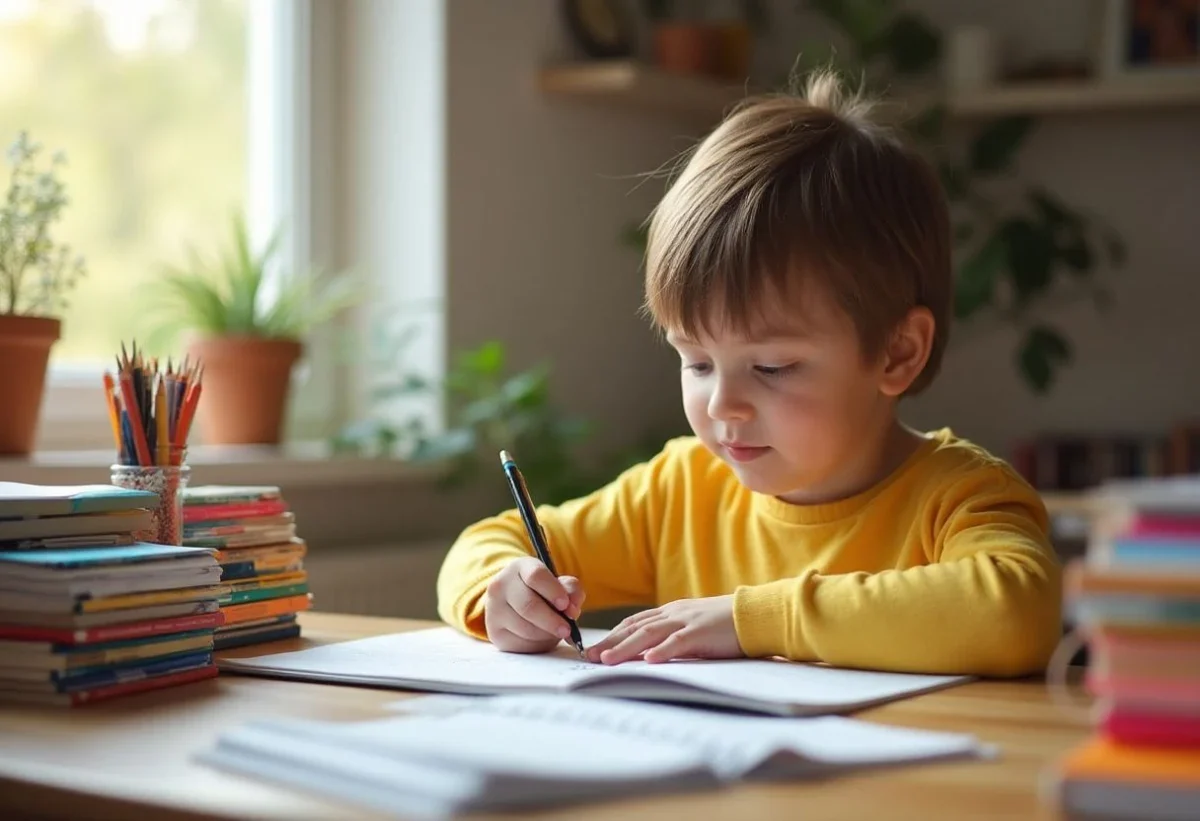
Home education, often abbreviated as IEF, has raised numerous questions in recent years. Whether chosen for philosophical, religious reasons, or to meet specific needs of the child, it sparks a passionate debate between advocates of educational freedom and supporters of an institutionalized school framework. In France, where education is compulsory from ages 3 to 16, IEF constitutes an alternative to traditional education, and its popularity continues to grow. In the era of educational reforms and societal upheavals, what is the impact of this choice on the child and society?
The legal framework of home education in France
The question of the legal framework of IEF is crucial for families opting for this form of education. Any parent wishing to embark on this educational adventure must understand the legal obligations that accompany it.
In France, IEF is strictly regulated by law. Parents must first declare their choice to the town hall as well as to the academic inspection. This declaration triggers a series of regular checks aimed at ensuring that the child receives an education that meets national standards. Academic inspectors conduct periodic assessments to verify that the child is making appropriate progress.
Legally, parents have the freedom to choose educational methods and materials, but they must ensure that the child acquires knowledge similar to that taught in traditional schools. In case of non-compliance, sanctions may be applied, including the obligation to enroll the child in a conventional school.
Motivations of families for home education
The reasons that lead families to choose IEF are varied and deeply personal. These motivations often reveal strong aspirations or convictions.
- Some parents opt for IEF to allow for a personalized educational approach, tailored to the pace and needs of their child. This is particularly true for gifted children or those with learning difficulties.
- The educational philosophy also plays an important role. Many families want their children to develop critical thinking, independent of external influences perceived as overly standardized.
- Religious or cultural considerations may also come into play. Families wishing to impart specific values find in IEF an effective means of doing so while respecting the laws of the Republic.
- Finally, for some, the traditional school environment is perceived as unsuitable or insufficiently secure, prompting them to seek protective and enriching alternatives.
The challenges and opportunities of home education
Choosing IEF does not only mean adopting a different teaching method, but also involves facing daily challenges. However, these challenges can transform into unique opportunities for children and their families.
The first difficulty lies in organization. Indeed, it involves balancing family life, professional responsibilities, and children’s education. Parents often have to become versatile teachers and time managers while maintaining a rich and fulfilling personal life.
The second challenge is social. Far from traditional school, children in IEF may suffer from a lack of interactions with their peers. However, families strive to compensate for this lack through extracurricular activities, educational outings, and meetings with other homeschooled children.
Despite these challenges, IEF offers invaluable opportunities. Children often thrive in a dynamic learning environment, where each day is a new chance to discover and understand the world. This approach fosters a flourishing intellectual and emotional development, coupled with a constantly renewed curiosity.
An example of successful IEF can be seen by following this information, which shows how some nomadic families manage to provide an education adapted to their children while living an unconventional lifestyle.
Home education represents an educational alternative that attracts a growing number of families in France. Although it is marked by challenges, it offers unparalleled pedagogical freedom, allowing children to develop their potential in a framework often more flexible and enriching than that of traditional school. Discussions around IEF reflect broader societal questions about education, individual freedom, and the role of the State in the child’s development.